Recruiting participants is one of the most time-consuming and unpredictable parts of doing research. Whether you’re running a thesis study, an independent project, or applied research for an organization, you’ve probably discovered that finding eligible, interested people is harder than it sounds.
What many researchers don’t realize is that “recruitment services” aren’t all the same. There are different models for how recruitment support works—and choosing the right one can make a big difference in cost, effort, and overall success.
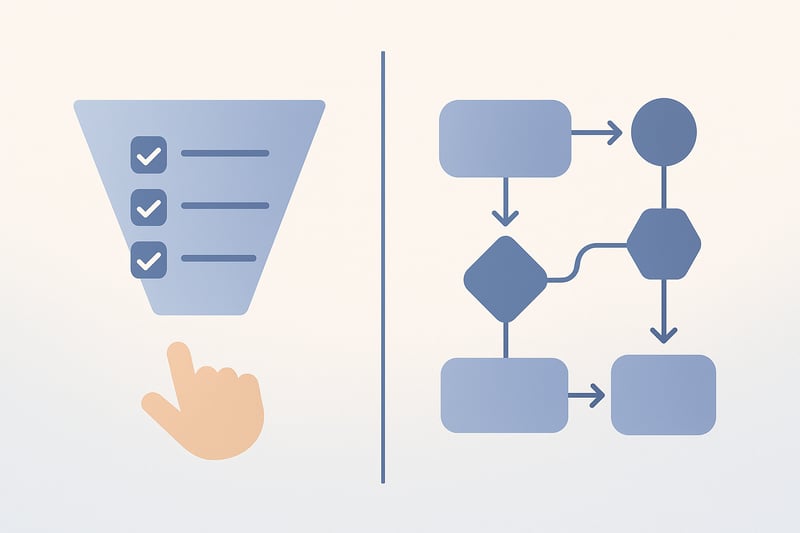
This article explains two common recruitment approaches:
By the end, you should have a clear sense of what each model does, how they differ, and which one is likely the best fit for your study.
Recruitment Exists on a Spectrum
A helpful way to think about participant recruitment is as a spectrum of involvement.
On one end, recruitment tools help you find and qualify interested people, but you still manage the study. On the other end, recruitment is fully outsourced, with another organization handling nearly everything related to enrollment.
Pre-screened leads and full end-to-end services sit at different points along this spectrum.
What Are Pre-Screened Leads?
A Plain-Language Definition
Pre-screened leads are potential participants who:
-
Have actively expressed interest in a study, and
-
Have completed initial eligibility questions based on the study’s criteria.
In other words, these are not random contacts. They are people who appear to be a good fit on paper and are open to being contacted about participating.
What This Type of Service Typically Includes
A pre-screened lead model usually provides:
-
Visibility or promotion of your study to potential participants
-
A structured way for people to indicate interest
-
Pre-screening questions aligned with your inclusion and exclusion criteria
-
A list of interested, preliminarily eligible participants delivered to you
Platforms like Research And Me operate in this space, focusing on helping researchers connect with participants who meet basic eligibility requirements.
What the Researcher Still Does
With pre-screened leads, researchers remain responsible for:
-
Confirming final eligibility
-
Managing consent
-
Scheduling and communication
-
Conducting the study itself
This model supports recruitment without taking control away from the researcher.
Why This Model Works Well for Many Researchers
Pre-screened leads are often a strong fit because they:
-
Reduce time spent on unqualified outreach
-
Cost less than fully outsourced recruitment
-
Preserve researcher oversight and ethical control
-
Adapt well to smaller or flexible study timelines
For many researchers, this strikes a balance between “doing everything yourself” and fully outsourcing recruitment.
What Are Full End-to-End Recruitment Services?
A Plain-Language Definition
Full end-to-end recruitment services manage nearly the entire recruitment process on your behalf. Instead of supporting one part of recruitment, they treat recruitment as a standalone project.
What These Services Usually Handle
Depending on the provider, this may include:
-
Recruitment strategy and planning
-
Marketing and outreach campaigns
-
Lead generation and follow-up
-
Pre-screening and eligibility checks
-
Scheduling participants
-
Coordination across multiple sites or teams
-
Sometimes even retention and engagement
In this model, recruitment is largely handled for you, rather than with you.
How Researchers Typically Interact with Full-Service Recruiters
Researchers using full end-to-end services often:
-
Set recruitment goals and requirements upfront
-
Review progress reports and metrics
-
Have less direct interaction with participants early on
This can be useful for complex or high-stakes projects, but it also means giving up some control over how recruitment happens.
Understanding Cost Without the Jargon
Cost is one of the biggest differences between these models.
With pre-screened leads, you’re typically paying for:
With full end-to-end services, you’re paying for:
-
Time, expertise, infrastructure, and risk taken on by the recruiter
-
Often tied to milestones or guaranteed outcomes
Full-service recruitment can be significantly more expensive, which makes sense given the level of involvement—but that investment isn’t always necessary for every study.
Which Model Is Right for Your Study?
Pre-Screened Leads May Be a Good Fit If:
-
You want to stay closely involved in recruitment
-
Your eligibility criteria are clearly defined
-
You’re working with limited funding
-
You value flexibility over guaranteed enrollment
-
You’re comfortable managing consent and communication
Full End-to-End Services May Be a Better Fit If:
-
Recruitment is unusually difficult or specialized
-
Timelines are tight and delays are costly
-
You need predictable enrollment numbers
-
You have funding specifically allocated for outsourcing
-
Recruitment logistics would otherwise overwhelm the research team
Common Misconceptions
“Pre-screened leads aren’t high quality.”
Quality depends on how well pre-screening is designed and how clearly criteria are defined—not on the model itself.
“Full-service recruitment means no work at all.”
While it reduces day-to-day tasks, researchers still need to provide oversight, approvals, and direction.
“Only large organizations use recruitment services.”
In reality, many smaller research teams use targeted recruitment support to save time and reduce friction.
Final Thoughts
Participant recruitment is not one-size-fits-all. Understanding the difference between pre-screened leads and full end-to-end recruitment helps you choose a model that fits your goals, resources, and level of involvement.
For many researchers, especially those who want control and flexibility, pre-screened leads offer meaningful support without unnecessary complexity. For others, full-service recruitment may be worth the investment.
The key is matching the tool to the research—not the other way around.